

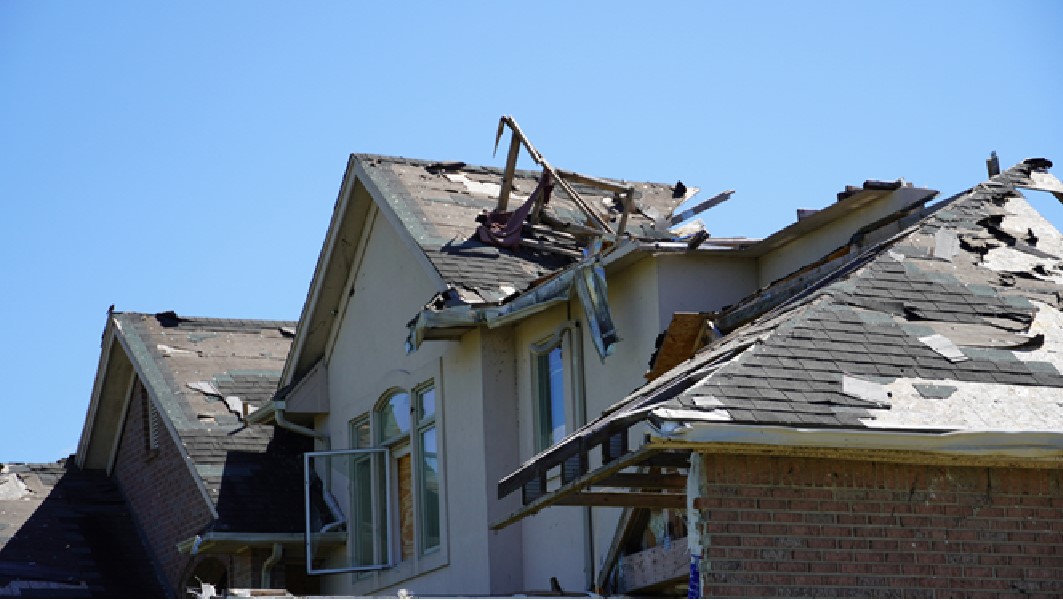
Severe weather can cause significant damage to homes, and roofs are often the most affected part of any property. Hail, wind, and heavy rain can compromise shingles, tiles, and underlying structures, leading to leaks and costly repairs. Understanding the process of filing a roof repair insurance claim after a storm is essential for homeowners seeking to recover expenses and ensure their property remains protected. Being proactive and informed can streamline the claims process and prevent delays or disputes with insurance providers.
Assessing Storm Damage Safely
After a storm, the first step in filing a roof repair insurance claim is assessing the extent of the damage. Safety should be the top priority. Avoid climbing onto the roof immediately, as wet or loose surfaces can be dangerous. Instead, perform a visual inspection from the ground, looking for missing shingles, damaged flashing, dented gutters, or other visible signs of impact. Interior inspections are also crucial; water stains, leaks, and ceiling damage can indicate hidden structural issues.
Documenting damage thoroughly is a critical part of the process. Take clear photographs or videos of every affected area, both inside and outside the home. This evidence will support your roof repair insurance claim and help insurance adjusters evaluate the extent of the loss. Detailed documentation can prevent disputes and provide a clear record for both homeowners and contractors involved in repairs.
Understanding Your Roof Repair Insurance Policy
Before filing a claim, it is essential to review your roof repair insurance policy carefully. Homeowners should understand what types of storm damage are covered and any limitations or exclusions that may apply. Many policies cover wind, hail, or storm-related damage, but older roofs or certain materials might have partial coverage or depreciation applied.
Insurance companies often have specific requirements regarding claims submission, documentation, and repair estimates. Knowing these details in advance helps homeowners prepare accurate and complete claims, reducing the likelihood of delays or denials. Working with a professional contractor experienced in roof repair insurance claims can be beneficial. They can provide detailed assessments, cost estimates, and reports that align with insurance standards.
Filing the Roof Repair Insurance Claim
Once damage is assessed and documentation is prepared, the next step is filing the roof repair insurance claim. Start by contacting your insurance provider and informing them of the storm damage. Provide a clear overview of what occurred and the observed damages. Include photographs, videos, and any preliminary repair estimates you have obtained.
Insurance companies typically assign an adjuster to inspect the property and verify the damage. It is important to be present during this inspection, as it allows homeowners to point out all affected areas and answer questions. Accurate reporting and transparent communication with the adjuster can help ensure that all necessary repairs are covered.
After the inspection, the insurance company will review the claim and provide an estimate or settlement offer. In many cases, it may be necessary to compare this offer with contractor estimates to ensure that repairs are fully covered. If discrepancies arise, homeowners can negotiate or request additional inspections to achieve a fair resolution.
Tips for a Smooth Claim Process
Filing a roof repair insurance claim after a storm can be a complex process, but certain steps can simplify it. First, document everything immediately. The sooner photographs and notes are taken, the more accurate and detailed the record of damage will be. Second, avoid unnecessary repairs before the insurance adjuster inspects the roof, as this may affect coverage. Temporary measures to prevent further damage, such as tarping leaks, are usually acceptable but should be discussed with the insurance provider.
Working with a reputable roofing contractor can make the process smoother. Experienced contractors understand insurance requirements, can provide professional damage assessments, and often assist with paperwork. Additionally, maintaining open communication with the insurance provider and keeping copies of all correspondence ensures transparency and helps prevent misunderstandings. Timely filing of the claim is also critical, as many policies have strict deadlines following a storm event.
By approaching the roof repair insurance claim process methodically, homeowners can increase the likelihood of full coverage for necessary repairs. Accurate documentation, understanding policy details, and working with professional contractors contribute to a smoother, more efficient claims experience.
