

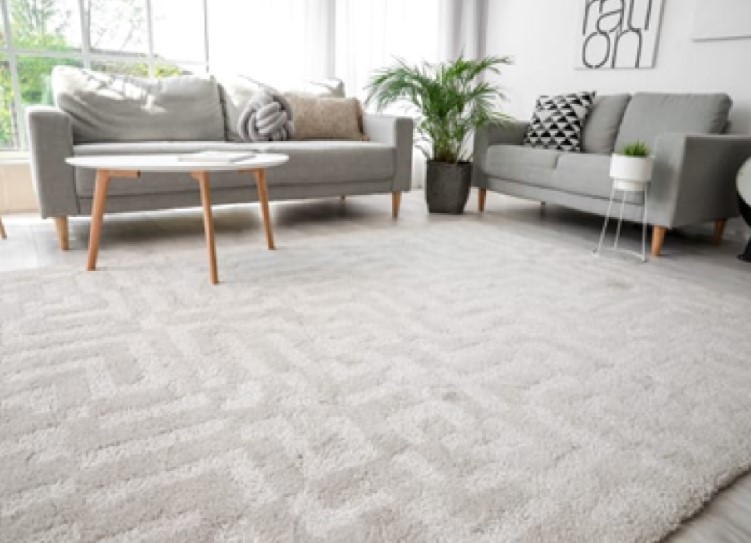
A well-chosen carpet shapes the character of a room in gentle but noticeable ways. The way the fibres sit beneath the feet carries comfort, warmth, and a clarity of style.
Understanding the difference between low-pile and high-pile carpets helps create a balanced home that feels calm throughout the seasons.
Mapping the Mood of a Room Through Carpet Height
Carpets influence the atmosphere of any space.
Low-pile designs sit close to the floor and offer a neat look that supports an organised interior, while high-pile carpets rise with soft strands that add depth and a quiet charm.
These differences guide the feeling of a room, from airy and open to inviting and cushioned. As the months progress from bright mornings to cooler evenings, the right carpet height supports a steady sense of comfort.
Low-pile carpets create order through their simplicity. The shorter fibres make rooms feel uncluttered, which works beautifully in homes that favour clear lines and peaceful corners.
High-pile carpets bring softness that encourages unwinding after long days, with a gentle sink beneath the feet that signals welcome and rest.
The contrast between these two styles is subtle yet influential, and the right choice can support daily habits without effort.
Light, sound, and temperature all respond to carpet height. Rooms with frequent movements benefit from fibres that hold their shapes, while quieter spaces feel more expressive when softened by texture.
Once the desired feeling is clear, the decision becomes far more intuitive.
The Practical Strength of Low-Pile Carpets
Low-pile carpets appeal to households that appreciate a tidy and polished look. Their shorter fibres hold less dust, making daily upkeep simple.
A weekly vacuum is usually all they need, which suits homes with packed routines. This ease of maintenance contributes to a clean and balanced atmosphere that supports busy living.
These carpets handle pressure well due to their compact structure. The fibres spring back into place after footsteps and furniture shifts, which helps protect the carpet longer.
With a wide range of colours and patterns, low-pile carpets blend seamlessly in many interiors. They carry a calm presence that works just as well in traditional rooms as in contemporary ones.
People with sensitivities may find these carpets more comfortable because the fibres trap fewer particles. Their affordability is another welcome feature and includes both purchase and long-term care.
When households need reliability without unnecessary cost, low-pile designs offer an excellent solution.
The Gentle Luxury of High-Pile Carpets
High-pile carpets deliver a sense of softness that feels instantly soothing.
Their long fibres create a cushioned surface that absorbs pressure, making every step gentle. This works beautifully in bedrooms, relaxation corners, or any place intended for quiet moments.
Homes with multiple floors notice reductions in household noise, which helps create a calmer daily pace.
Warmth is one of the clearest advantages of this style. On cool mornings, the plush surface keeps the feet comfortable, and during restful evenings, it supports a relaxed and sheltered mood.
Children and pets enjoy the softness underfoot, which helps create a home that feels nurturing and friendly.
The visual appeal of high-pile carpets is significant. They add character, texture, and a sense of depth to rooms that can otherwise feel plain.
With so many shades and patterns available, homeowners can select a design that reflects personal taste while lifting the overall space.
Maintaining Texture, Freshness, and Longevity
Daily habits play an important role in carpet care. Low-pile carpets respond well to simple routines and stay fresh with minimal effort. Dust sits close to the surface, which makes lifting debris quick and efficient.
Entrance mats and occasional rotation help preserve their appearance, spreading out the pressure from heavy use.
High-pile carpets need a little more attention. Their longer fibres collect particles that slip between the strands, so regular vacuuming becomes useful.
Deep cleaning improves freshness and longevity, and homes with children or pets may appreciate the benefit of using this method now and then.
Spills require quick responses, and gentle blotting prevents liquids from travelling through the fibres. Periodic professional rug cleaning supports both carpet types and helps maintain a clean living environment.
With the right care, either style can remain beautiful for many years, developing a lived-in charm that feels natural and pleasing.
Balancing Cost With Comfort and Environment
Budget considerations guide many purchasing decisions. Low-pile carpets typically cost less because fewer materials are needed to create their short fibres.
Their strength and long life make them a sensible investment for homes that prefer practicality without compromising style.
High-pile carpets cost more at the outset and require a little extra upkeep, but the comfort they bring is notable and well suited to places where relaxation matters.
Environmental impact is another meaningful factor. Many low-pile carpets are made from recycled materials that support sustainability. Their long lifespan helps reduce waste, making them an environmentally considerate choice.
High-pile carpets can also be sustainable, but only if they’re made from natural or recycled fibres. Choosing carpets with low chemical emissions improves indoor air quality, which supports overall wellbeing within the household.
Thoughtful selection creates homes that feel harmonious and responsible, blending comfort, aesthetics, and environmental awareness.
How Carpet Choice Shapes Seasonal Living
Carpets interact with the seasons as much as furnishings and lighting.
Low-pile carpets feel cool and smooth during warm months, which suits open windows and brighter days. Their firm texture helps prevent overheating in busy rooms.
During colder seasons, high-pile carpets excel, offering insulation and a gentle warmth that aids in settling the home.
Soft fibres absorb heat from the room and create a comfortable surface that feels inviting when nights grow chilly.
Seasonal behaviour patterns also influence the decision.
Homes that welcome guests throughout the year prefer the reliable strength of low-pile carpets, while households that enjoy slow evenings, reading corners, or contemplative spaces lean towards the softness of high-pile designs.
Considering the yearly rhythm ensures that the carpet supports comfort through shifting weather and changing routines.
Conclusion
Once you know what each carpet style offers, deciding between low-pile and high-pile becomes much more straightforward.
Both shape the look, feel, and upkeep of your home in different ways.
With a considered approach, any room can achieve a sense of harmony, personality, and year-round warmth.
